
Short answer
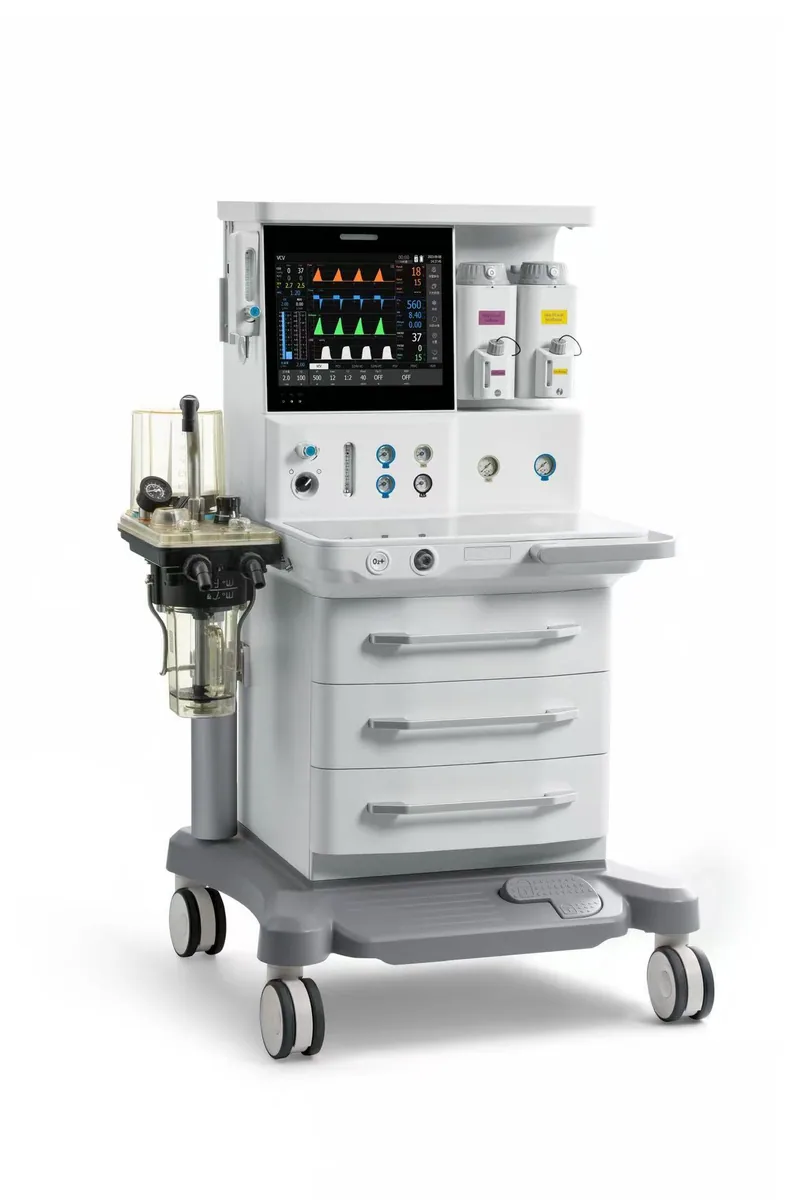
Veterinary and human anesthesia machines share core functions - controlled gas delivery, vaporization, breathing circuits, ventilation options, scavenging and monitoring - but they are not automatically interchangeable. Veterinary configurations must cover a much wider range of species and body sizes, including very small patients that may need low-resistance, low-dead-space circuits. Interfaces, connectors, accessories, software, labeling, regulatory status and service support can also differ by market. Buyers should select equipment specifically documented and supported for the intended veterinary use.
Editorial note: This independent procurement guide was prepared from Mevidon's supplied product materials and the primary professional or government sources listed below. It contains no paid rankings and does not replace clinical, engineering or regulatory advice.
Quick comparison
| Factor | Veterinary configuration | Human-care configuration |
|---|---|---|
| Patient range | Species and size can vary widely | Human age and size ranges |
| Circuit needs | Rebreathing and low-resistance non-rebreathing options | Human clinical circuit standards and protocols |
| Accessories | Veterinary bags, tubes, masks and sensors | Human-labeled accessories and interfaces |
| Workflow | Animal restraint, species protocols and veterinary recovery | Human perioperative workflow |
| Procurement rule | Verify veterinary intended use and local support | Verify human intended use and local support |
Why does veterinary patient size change the configuration?
Veterinary hospitals may anesthetize animals from tiny exotics and cats to large dogs or equine patients. Breathing resistance, apparatus dead space, bag and tube size, fresh-gas flow, sensor fit and ventilator range become critical across this span. AAHA notes common use of non-rebreathing circuits in cats and small dogs below about 3 to 5 kg because of lower resistance and dead space compared with rebreathing circuits.
A procurement team should state minimum and maximum patient size and verify the full gas-delivery and monitoring chain at both extremes. An adult human configuration cannot be assumed suitable for a very small veterinary patient.
How do circuits and accessories differ?
Veterinary packages may need several rebreathing and non-rebreathing circuits, different reservoir bags, endotracheal tubes, masks, scavenging adapters and patient-monitor sensors. Connection standards can vary by manufacturer and country. Human-care accessories may have different labeling, size ranges, single-use policies and supported interfaces.
List every component by name, size and quantity in the quotation. Confirm replacement availability, cleaning or reprocessing instructions and whether third-party accessories affect warranty or performance. Avoid improvised adapters unless they are formally approved within the intended system.
Are ventilators and monitors interchangeable?
Not automatically. A ventilator must deliver controllable pressure or volume across the intended veterinary patient range and provide suitable alarms and manual backup. Patient monitors need veterinary-appropriate cuffs, probes, ECG leads, capnography sampling and algorithms or settings. Clinical validation and labeling matter more than physical compatibility.
Run a configuration demonstration with the anesthesia machine, ventilator, monitor and intended circuits connected together. Verify alarms, mounting, power backup, data recording and behavior during simulated gas or electricity interruption.
Do regulation and documentation differ?
Medical-device classification, registration, electrical safety, language, traceability and import requirements depend on the intended use and destination jurisdiction. A system approved or sold for one market or patient population is not automatically approved for another. The buyer, importer and supplier should confirm applicable documentation before shipment.
Request the declaration, certificates, labels, manuals and test documents that apply to the exact model and accessories. Mevidon does not treat a generic factory certificate as proof of compliance in every country.
What is different about the operating workflow?
Veterinary teams manage species-specific restraint, airway access, temperature loss, positioning, recovery and owner communication. They may share equipment between dental, imaging and surgery rooms or work in mobile and field settings. These realities affect trolley design, circuit storage, cleaning, monitor mounting and gas supply. Human operating rooms have their own staffing, infrastructure and protocols.
Map the complete veterinary patient journey before choosing equipment. AAHA frames anesthesia from preanesthetic preparation through recovery, so procurement should include checklists, training and recovery monitoring rather than focus only on the time the patient is connected to the machine.
Why are scavenging and occupational safety still essential?
Waste anesthetic gases can escape from either type of system through leaks, connections, masks and recovery. CDC/NIOSH specifically identifies veterinary workplaces and recommends effective scavenging, maintenance and other controls. The choice of machine does not remove the need for a suitable room, ventilation, work practices and exposure-control plan.
Confirm the scavenging interface and disposal route for the installed system. Test for leaks and maintain equipment according to manufacturer and local occupational-safety requirements.
Can a human anesthesia machine be used for animals?
This should never be assumed from appearance or connector fit. A qualified veterinary clinical lead must assess patient range, circuits, ventilation, monitoring and workflow, while the buyer confirms intended-use labeling, local regulatory acceptance, manufacturer support, parts and training. If any of these are unclear, select a documented veterinary configuration instead.
For international procurement, obtain written confirmation of the exact configuration and intended market. Unsupported conversion can shift clinical, regulatory and service risk to the hospital.
Copy this buyer checklist
- Is the complete system documented for veterinary use in the destination market?
- What minimum and maximum patient sizes are supported?
- Which circuits, bags, tubes, masks and sensors are included?
- Does the ventilator cover the required pressure and volume range?
- Are connectors and gas standards compatible with the facility?
- How is waste gas scavenged and the system leak-tested?
- Who supplies training, maintenance, parts and regulatory documents?
Buyer FAQs
Are veterinary and human anesthesia machines the same?
They share core principles, but patient ranges, circuits, accessories, interfaces, labeling, regulation and support can differ. Similar appearance does not make them interchangeable.
Can veterinary hospitals buy a refurbished human machine?
Only after qualified clinical, engineering and regulatory review confirms intended use, patient suitability, accessories, serviceability and local acceptance. Price alone is not a sufficient basis.
What is the biggest veterinary-specific difference?
The exceptionally broad patient and species range affects circuit resistance, dead space, ventilation, airway accessories and monitoring sensors. Workflow and regulatory support are also important.
Does either type eliminate waste anesthetic gas risk?
No. Facilities still need effective scavenging, ventilation, leak control, maintenance and safe work practices.
Sources and further reading
Primary sources were accessed and checked on July 19, 2026.
- AAHA: 2020 Anesthesia and Monitoring Guidelines for Dogs and CatsFrames anesthesia as a continuum of care supported by trained staff, equipment, monitoring and checklists.
- AAHA: Equipment PreparationCovers preparation of the machine, breathing circuit, airway equipment and patient monitors.
- CDC/NIOSH: Anesthetic Gases and Reproductive HealthExplains waste anesthetic gas exposure routes and the role of effective scavenging and maintenance.
Important procurement note
This guide is educational and does not replace clinical, engineering, radiation-safety, occupational-safety, regulatory or facility advice. Product capability and compliance depend on the final model and market. Confirm the signed specification, included accessories, local requirements, installation scope and service plan before purchase.